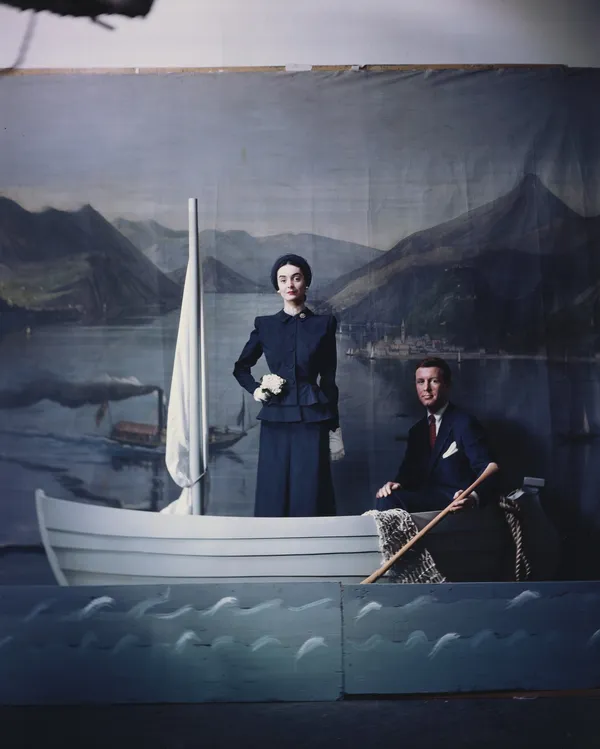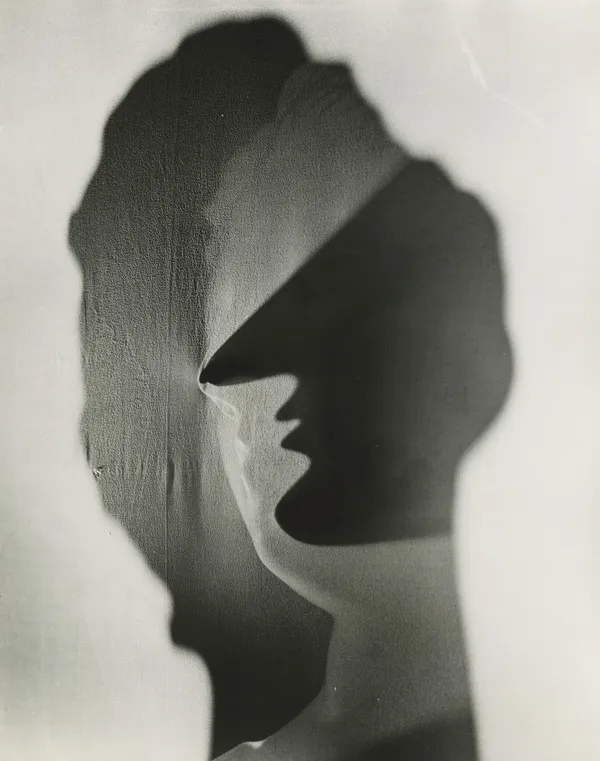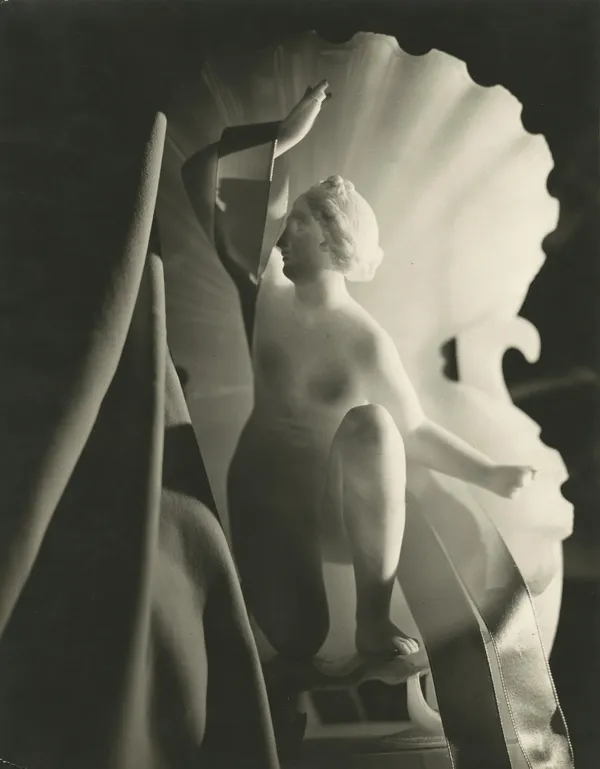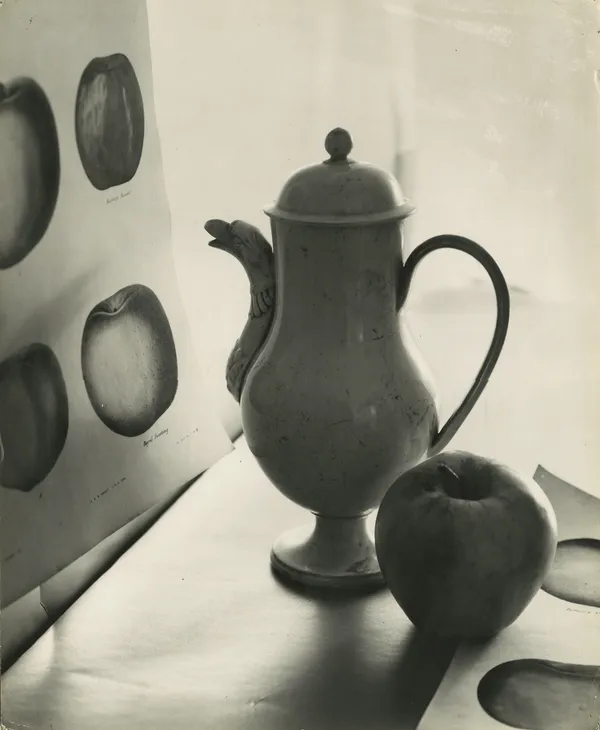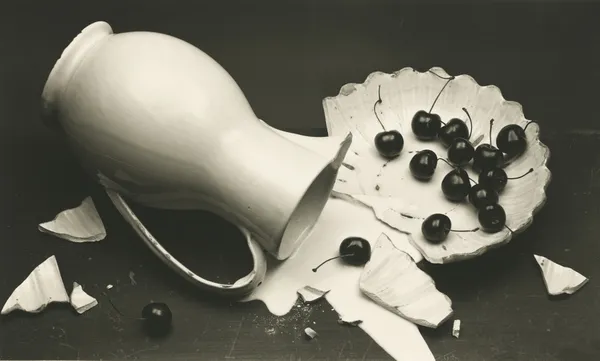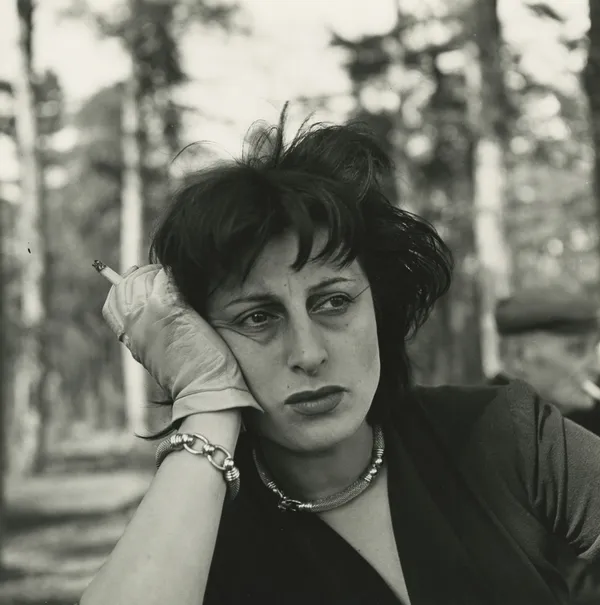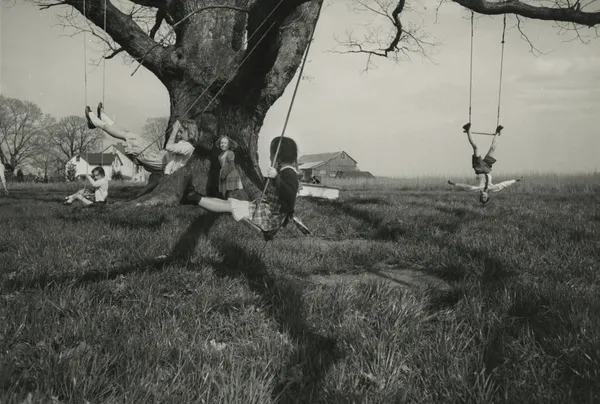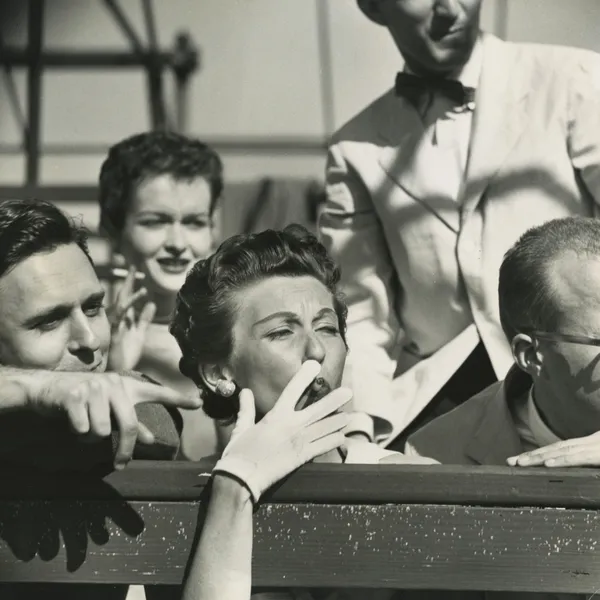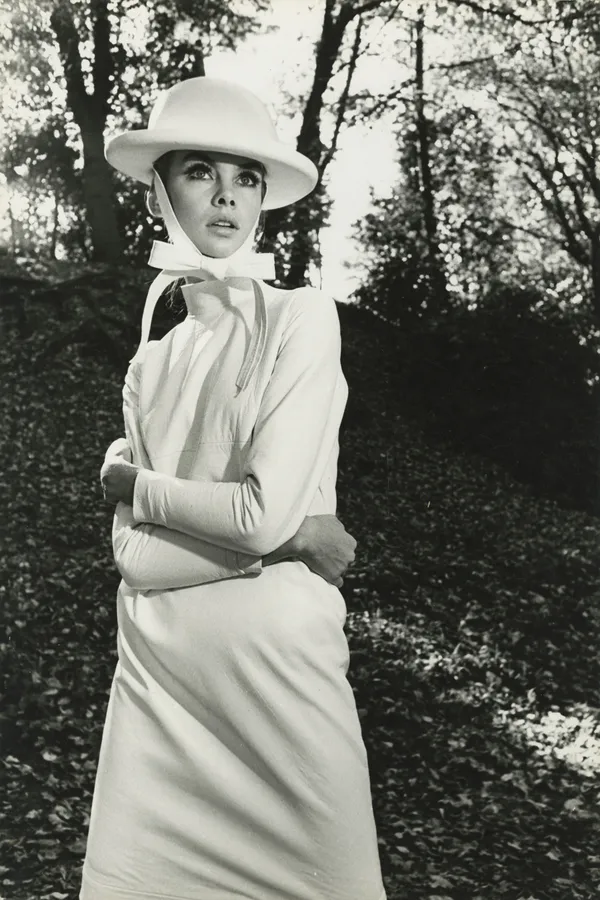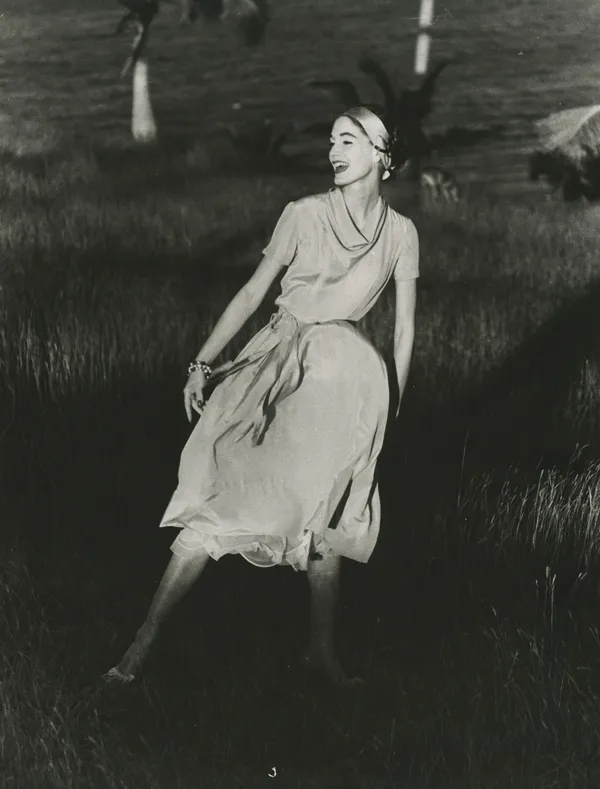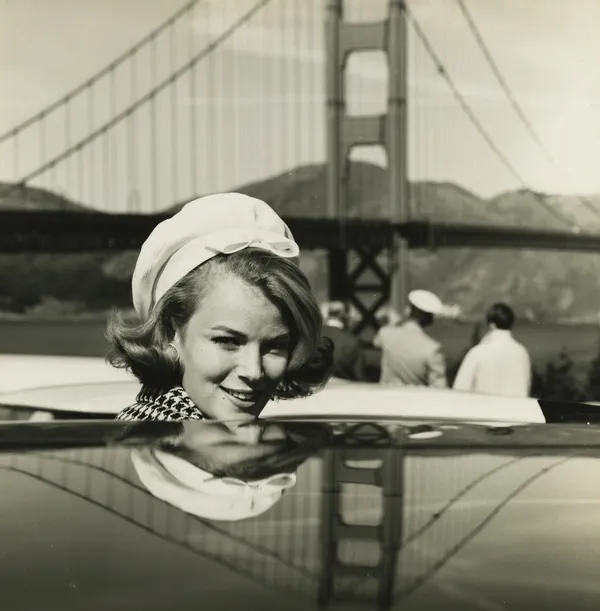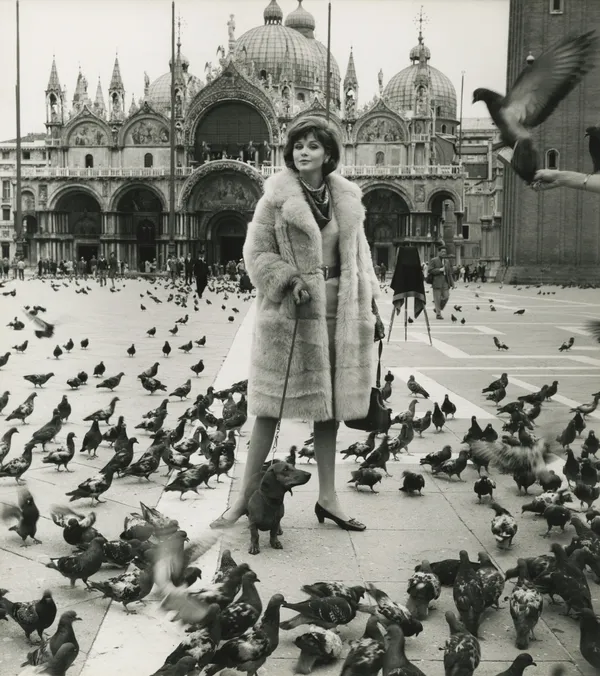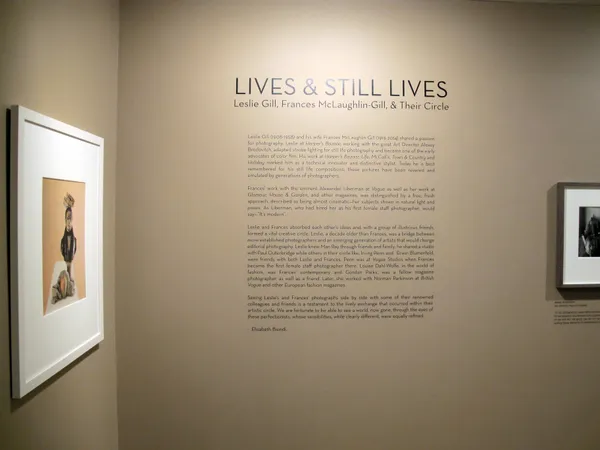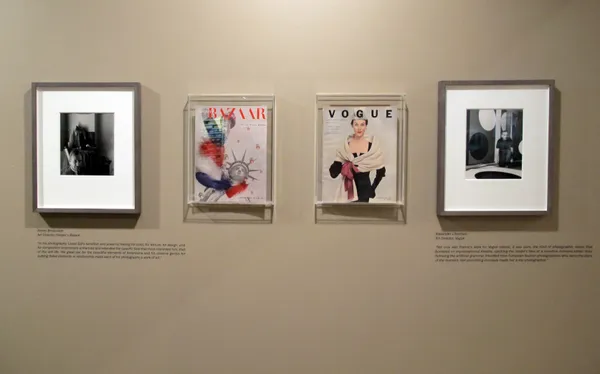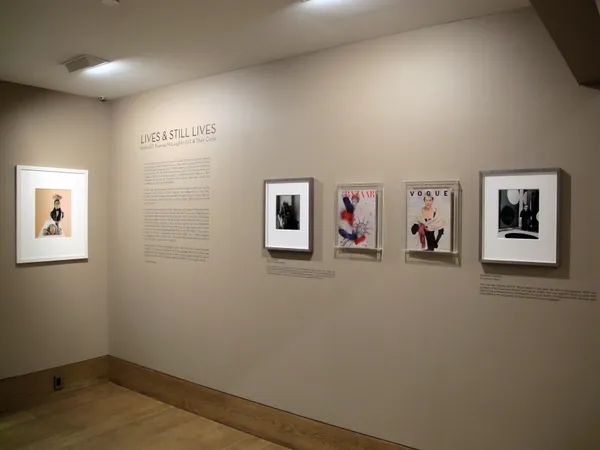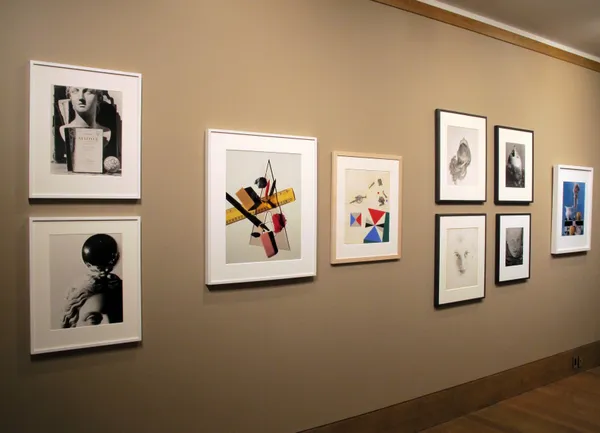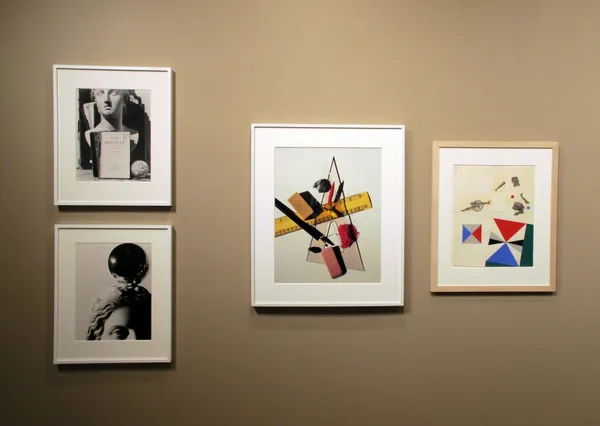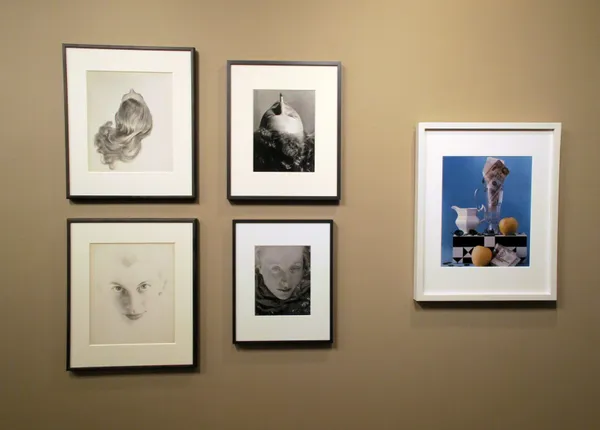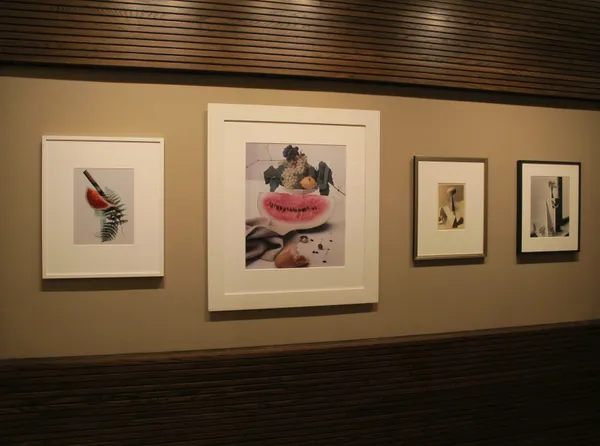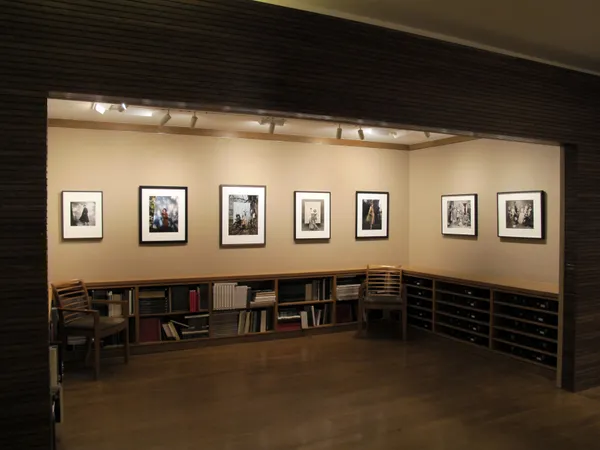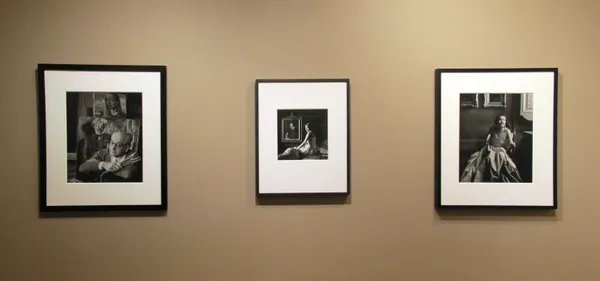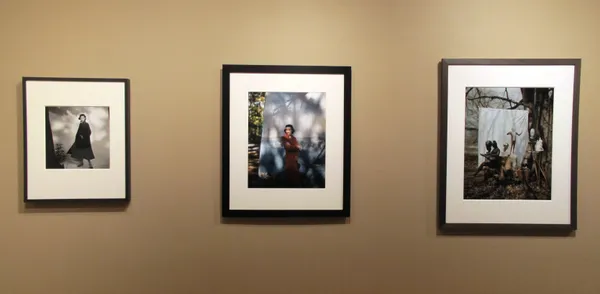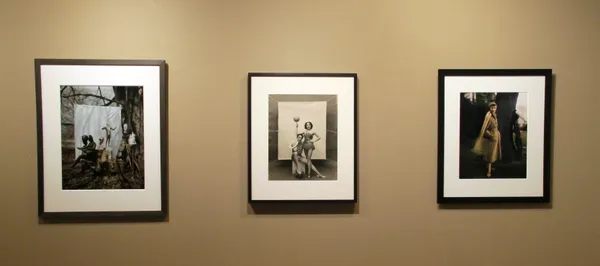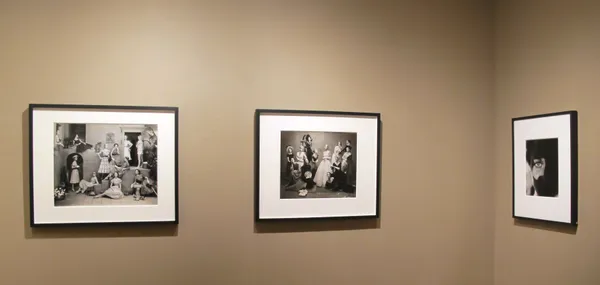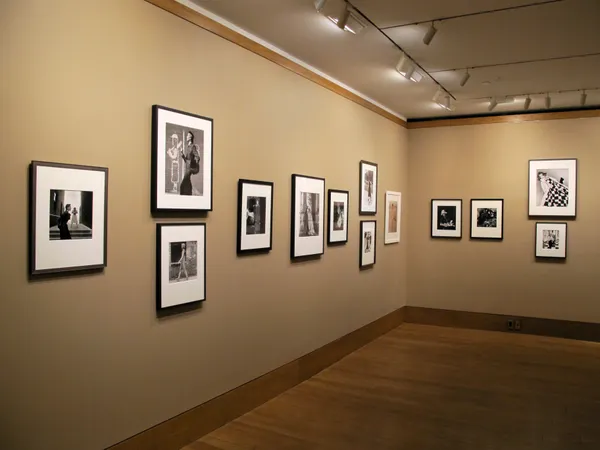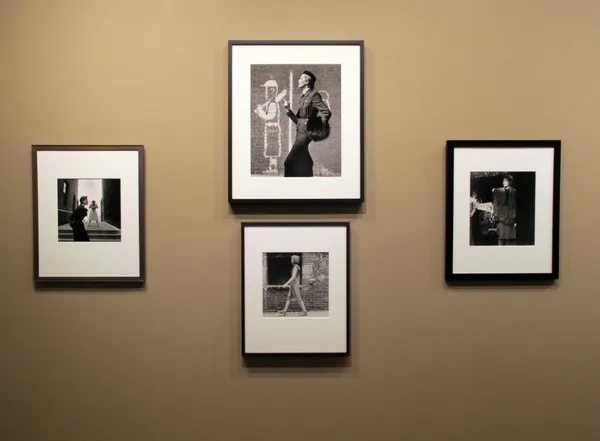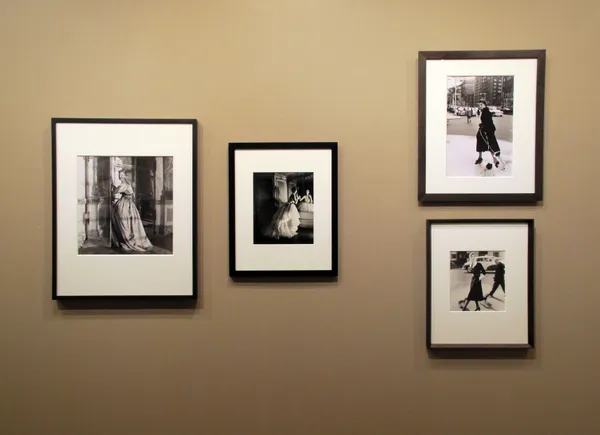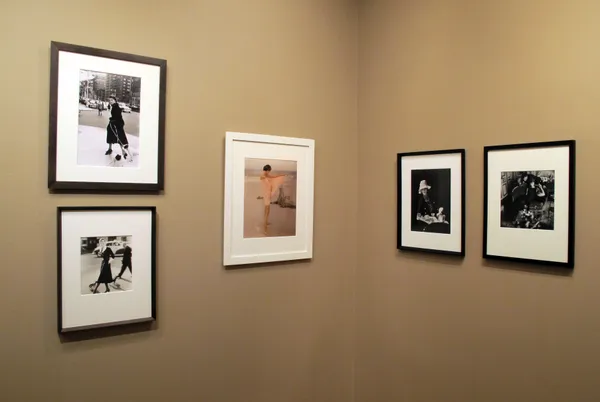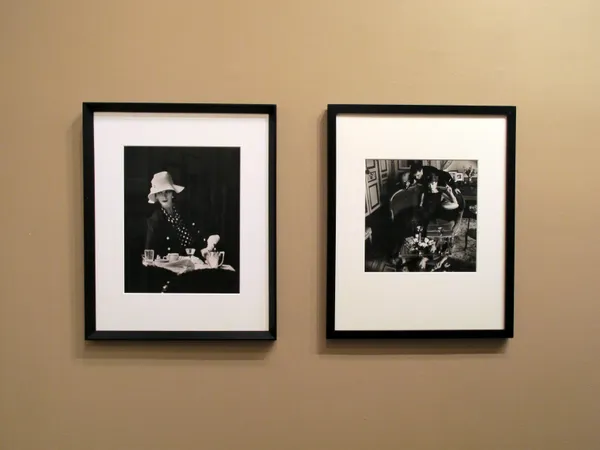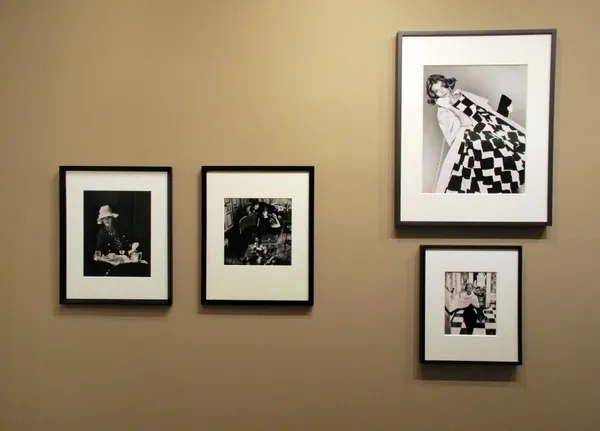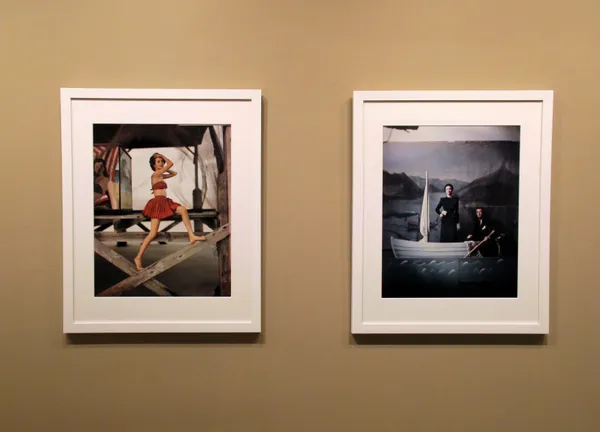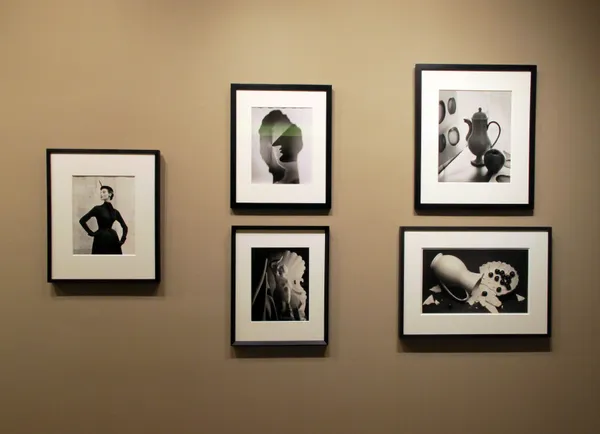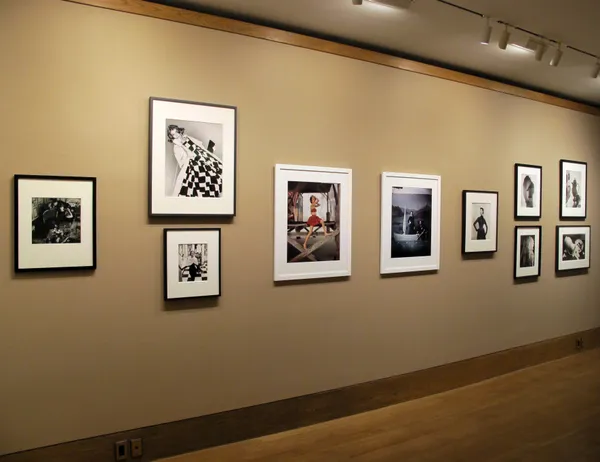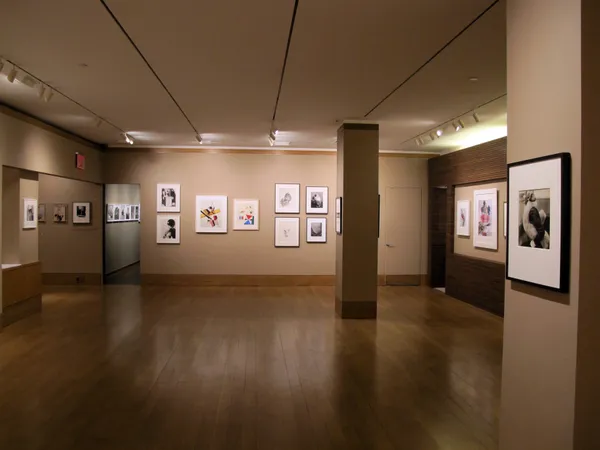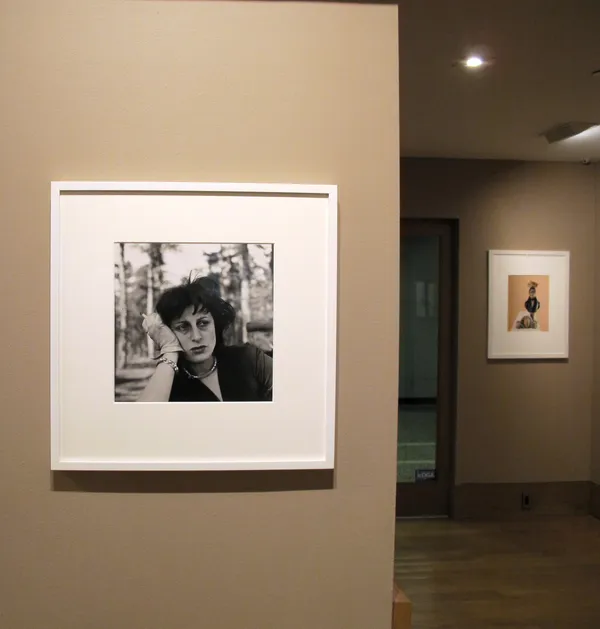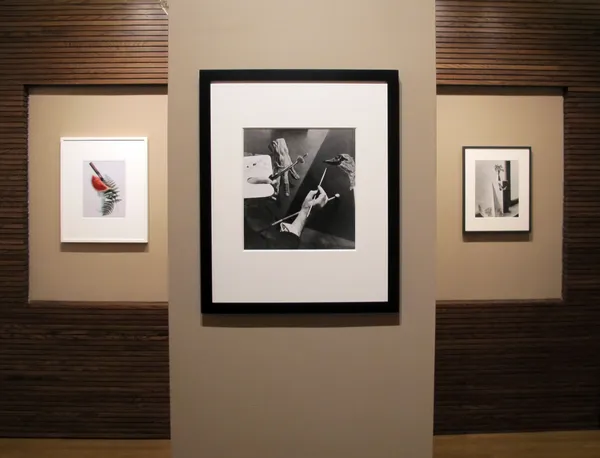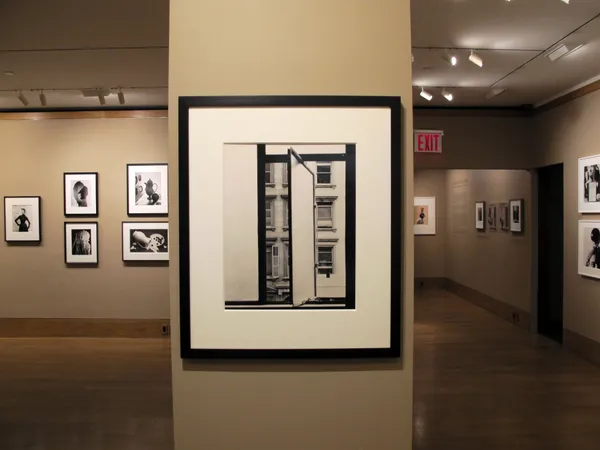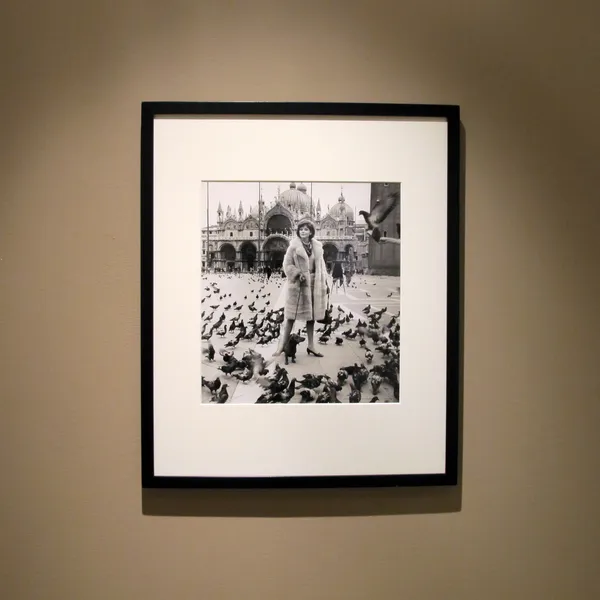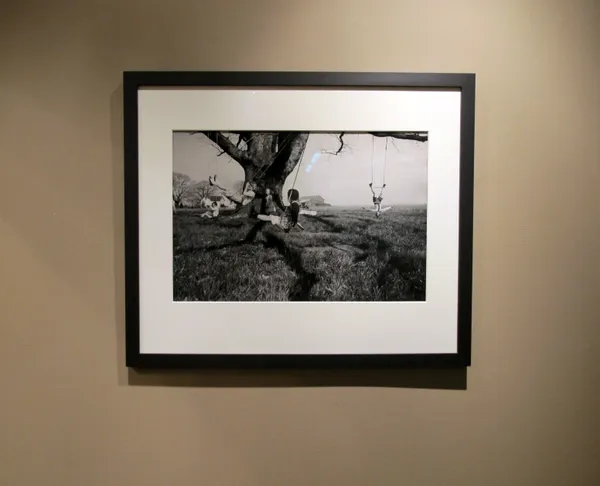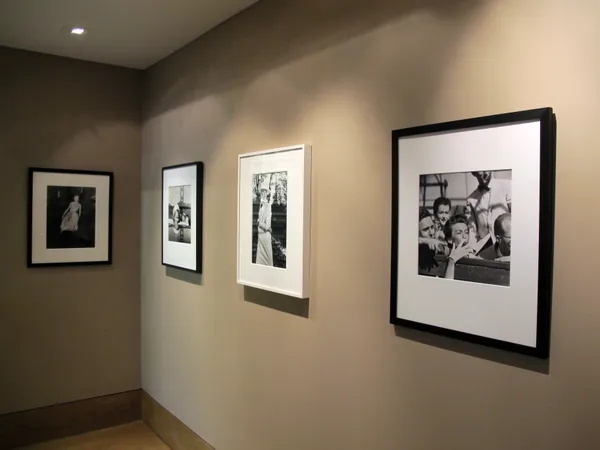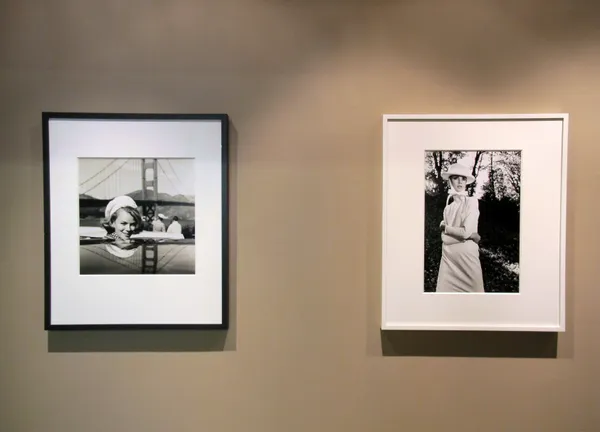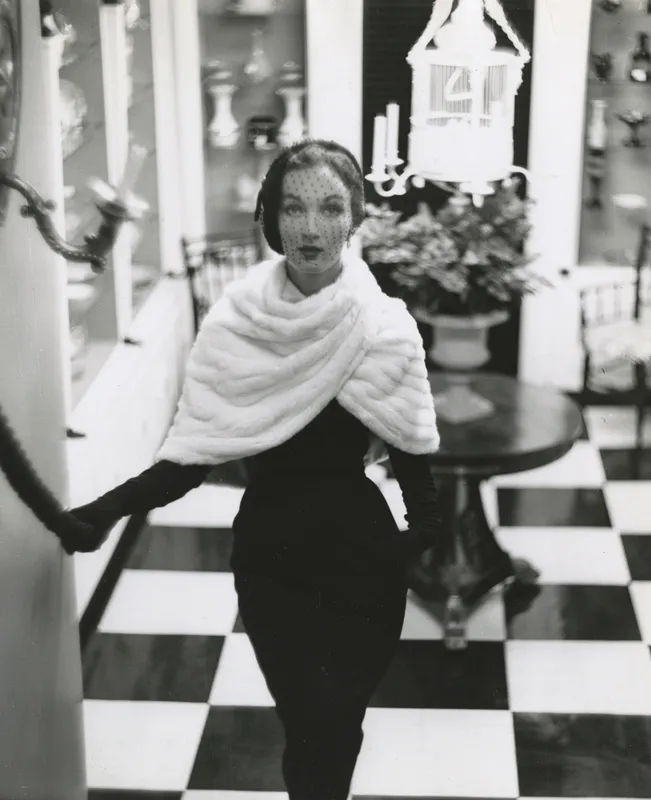
Photographs by Leslie Gill and Frances McLaughlin-Gill will be on view together for the first time at Howard Greenberg Gallery from May 25 – July 7, 2017. The Gills shared a passion for photography at the intersection of fashion, design, and fine art in the 1940s and 1950s. With a circle of famous friends and colleagues, they led glamorous careers in the rarified worlds of Condé Nast and Hearst. The exhibition presents images by Leslie Gill who was active from 1935-1957 and Frances McLaughlin-Gill who produced work from 1943-1993, as well as work by their close contemporaries Erwin Blumenfeld, Louise Dahl-Wolfe, Paul Outerbridge, Gordon Parks, Norman Parkinson, Irving Penn, and Man Ray. Lives & Still Lives: Leslie Gill, Frances McLaughlin-Gill, and Their Circle is curated by Elisabeth Biondi, an independent curator and former Visuals Editor for The New Yorker. An opening will be held on May 25 from 6-8 p.m.
When they married in 1948 in New York City, Leslie Gill (1908-1958) and his wife Frances McLaughlin-Gill (1919-2014) were both accomplished photographers. Leslie Gill’s work was appearing in the pages of Harper’s Bazaar, and Frances McLaughlin-Gill’s photographs were in Vogue. Both Gills contributed a fresh and much needed new perspective to editorial photography.
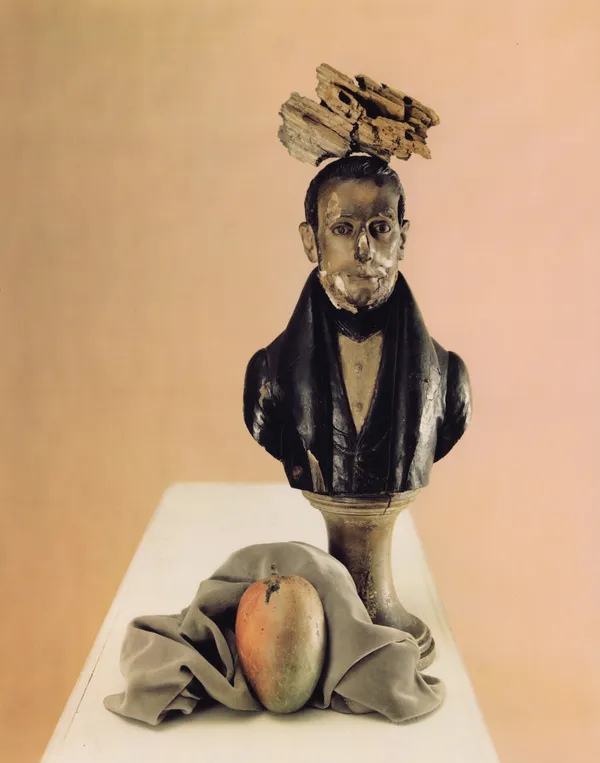
Leslie Gill was greatly admired for his innovative approach to still life photography, pushing beyond the boundaries of standard editorial images, into the realm of fine art. At Hearst, he collaborated with Harper’s Bazaar’s legendary art director Alexey Brodovitch on ideas, design, and innovative layouts for his pictures.
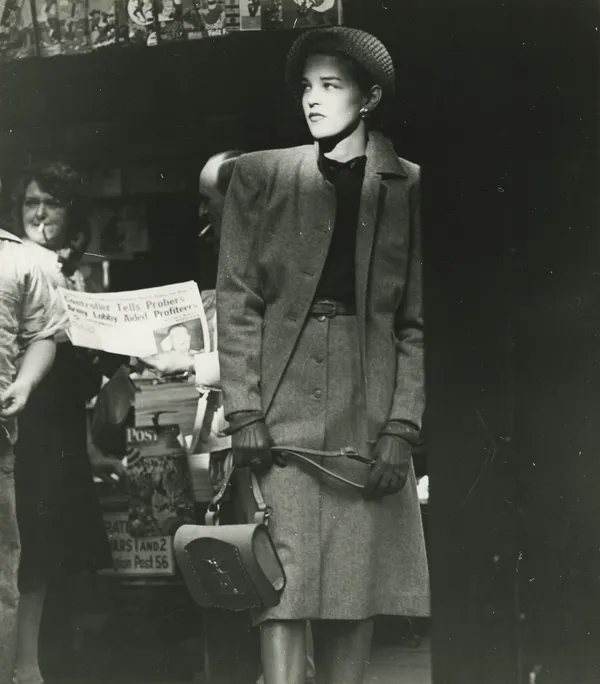
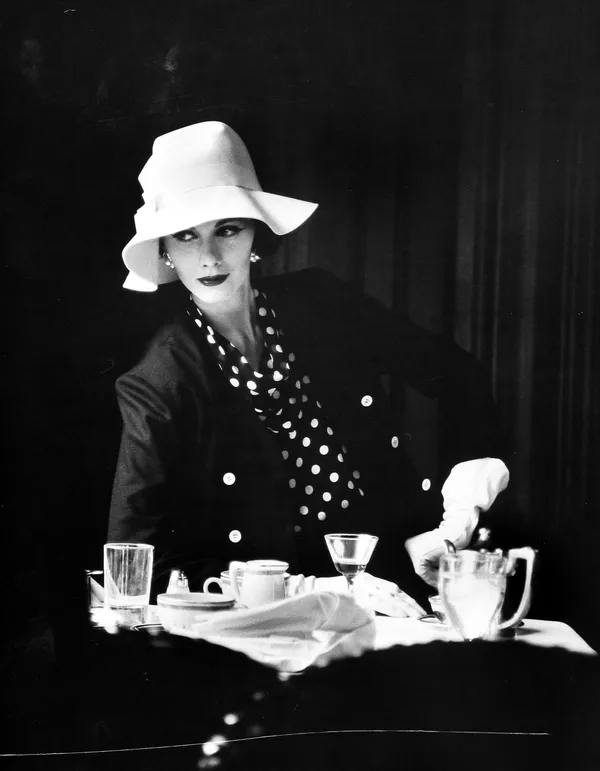
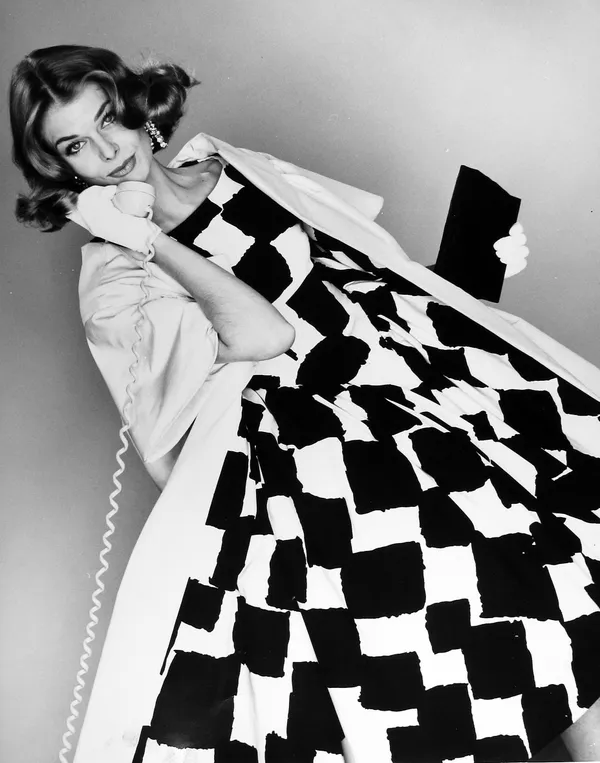
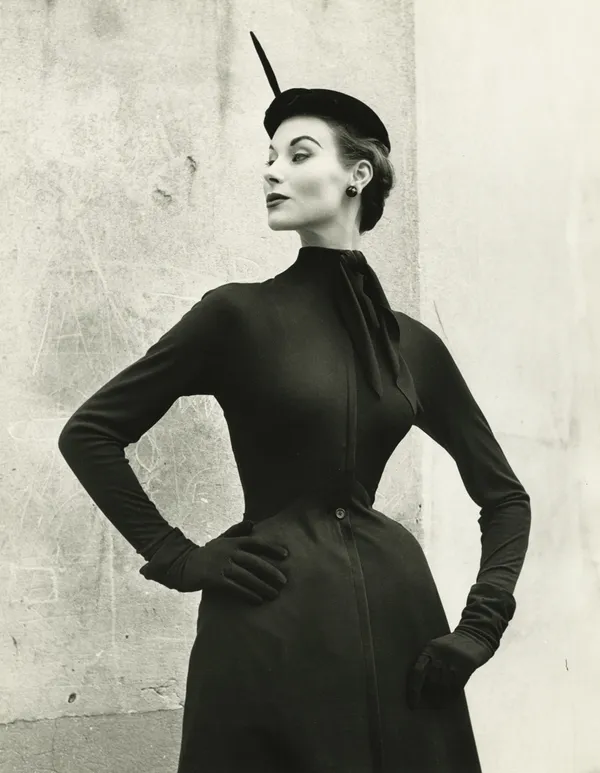
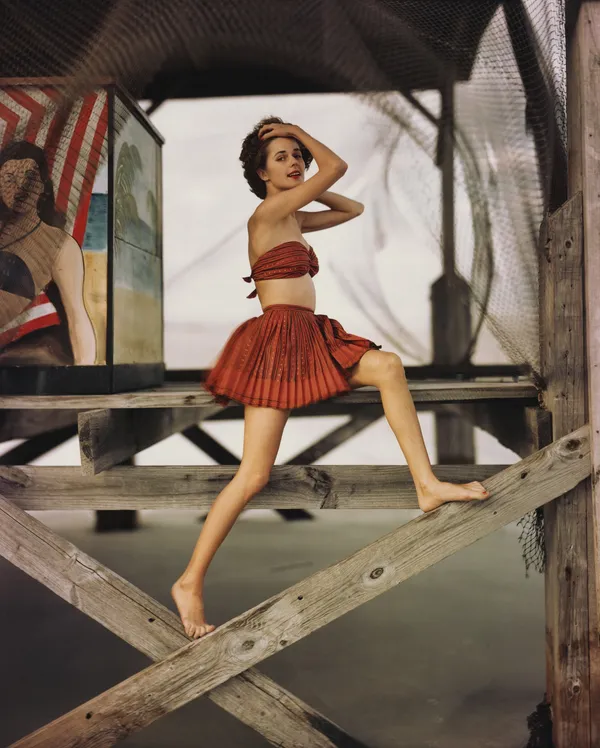
McLaughlin-Gill was appreciated for her vivid, cinematic, and spontaneous approach to fashion photography, and her thoughtful reflections of the multifaceted lives of women, which was unique at the time.
The Gills would have just ten years together, as Leslie Gill died three months after their only child, Leslie, was born in 1958. As their daughter has noted, "Leslie and Frances’ work resides in rare moments between the staged and the spontaneous. When viewed alongside their circle of friends, the images demonstrate how the emergence of new technologies (strobe and high speed film) can have a rapid ricochet effect between artists. It was a moment when a new medium and a new generation entered a discipline, and on the way, shifted the focus."
“Leslie Gill and Frances McLaughlin-Gill were perfectionists. Their work differed, but they shared an ambition to create unique pictures that reflected their personalities. Leslie became a photographer when as art director at House Beautiful he did not get the pictures he wanted for his layouts. In his still lifes, his impeccable taste and focus on details made them photographic icons. Frances McLaughlin-Gill was an instinctual artist in the way she photographed the contemporary and more emancipated post WWII American woman, which continues to be an integral part of fashion photography,” noted Biondi.
Irving Penn, who was a friend of the Gills, said in 1959 when referring to Leslie Gill’s work, “A group of younger photographers responded to Gill’s talent as soon as he appeared on the scene. Many remained in later years frankly imitative. Many more, influenced, went on to other types of work bearing the mark of Gill’s inspiration. From this group grew the present American school of still-life photography, the influence of which is seen in areas far removed from the immediate one with which Leslie Gill was personally concerned. A man of cultivated visual tastes, Gill was half painter, half photographer. A feather, a piece of old wood, an egg, had for him a meaning beyond themselves.”
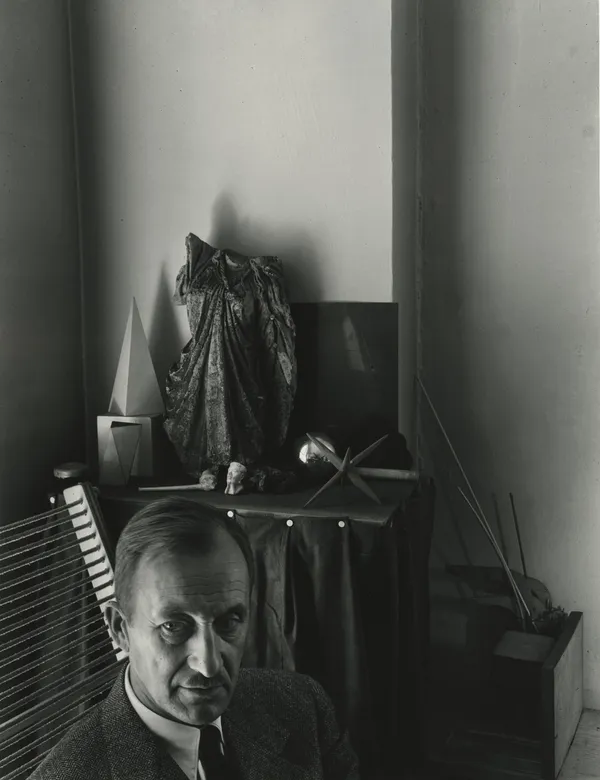
Alexander Liberman, the dominant creative force at Condé Nast for decades, hired Frances McLaughlin when he was art director of Vogue. He noted in 1959 “Not only was Franny’s work for Vogue classic, it was pure, the kind of photographic vision that bordered on improvisational theatre, catching the model’s face at a sensitive moment rather than following an artificial grammar inherited from European fashion photographers who were the stars of the moment. Her pioneering concepts made her a key photographer.”
About Leslie Gill
Known as the father of modern still life photography, Leslie Gill elevated editorial images to classical compositions, becoming an artist in the process. He graduated from the Rhode Island School of Design with honors in 1929 and studied with the artist Charles Hawthorne. In the midst of the Depression in 1932, he was hired as the art director of House Beautiful. One of his first obstacles was finding a photographer who could creatively translate the articles into images to accompany them. Taking matters into his own hands, he acquired his first camera and within three years was making photographs that were published in the magazine. In 1936, he opened his own photography studio and made magazine covers and editorial images for Harper’s Bazaar and later Life, McCall’s, Town & Country, Flair, and Holiday. His technical abilities attracted attention, and he was among the first to experiment with color film from Kodak, strobe lighting, and the Hasselblad camera. In 1984, a traveling retrospective of his photographs opened at the New Orleans Museum of Art. His work is in the collections of the Cleveland Museum of Art and the New Orleans Museum of Art, among others.
About Frances McLaughlin-Gill
Frances McLaughlin was born in 1919 in New York City and raised in Connecticut with her identical twin sister Kathryn. In 1941, the sisters entered Vogue’s “Prix de Paris” and were among the five finalists. In 1943, she became one of the first woman photographers to be hired by Vogue, bringing a new natural focus to fashion photography. She also worked with Glamour, House & Garden, and British Vogue. She is the author of a number of books, several published with her sister. She also made films as an independent film producer and director and taught at the School of Visual Arts in New York. In 1995, an exhibition of her work was held at Hamilton’s Gallery in London. Her work is in the collection of The Metropolitan Museum of Art and the International Center of Photography, New York; Smithsonian National Portrait Gallery, Washington, D.C.; the Cleveland Museum of Art; and the National Portrait Gallery, London.
-
 Leslie Gill, Folk Sculpture with Mango, 1948
 -
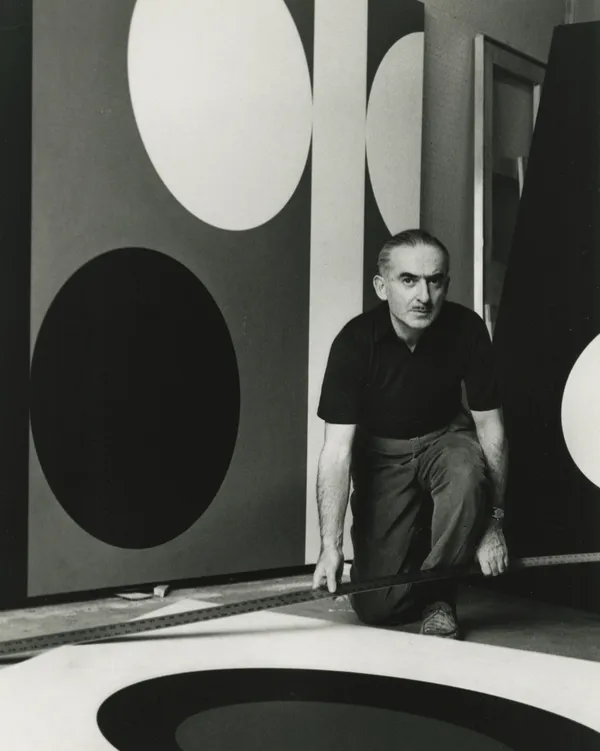
Arnold Newman, Alexey Brodovitch, 1946
-
Frances McLaughlin-Gill, Portrait of Alexander Liberman, 1958
-
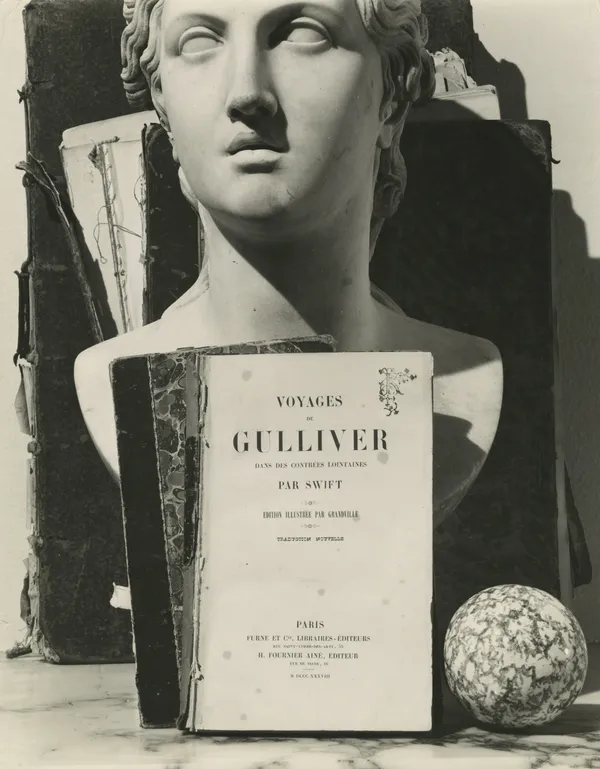
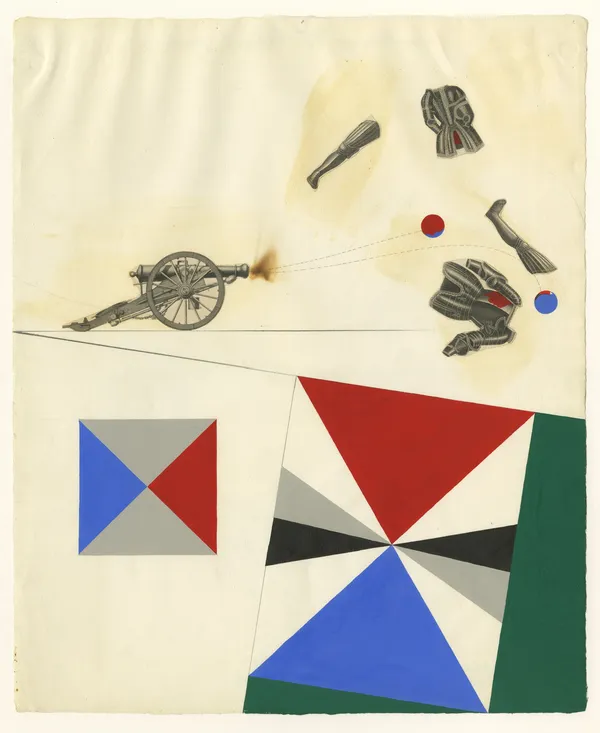
Leslie Gill, Voyages de Gulliver, 1940
-
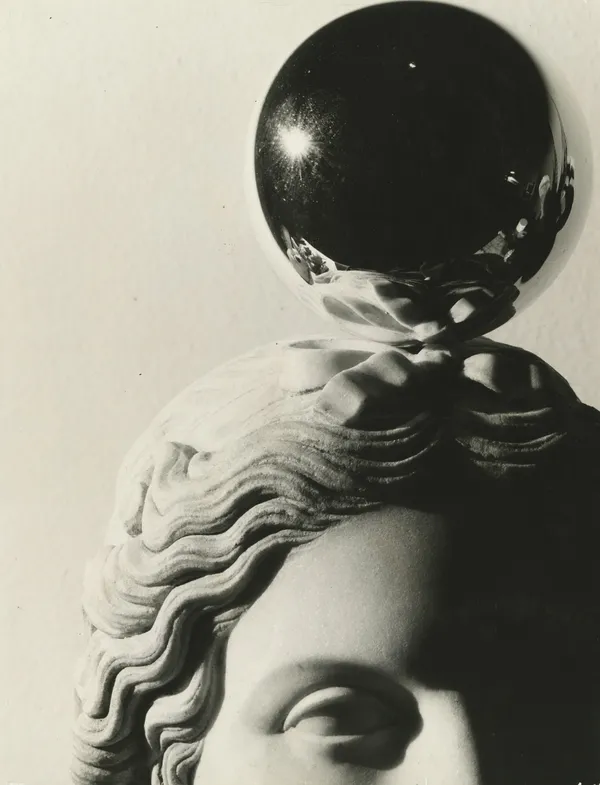
Leslie Gill, Composition with Globe and Head, c.1939
-
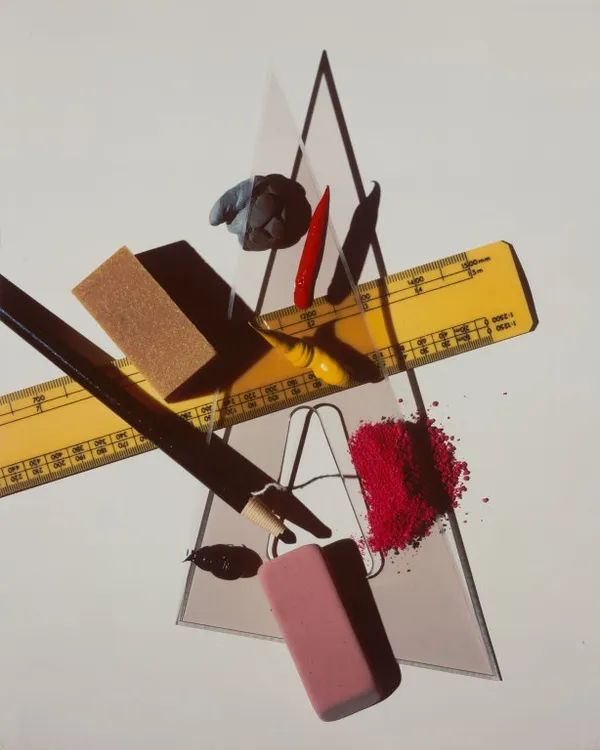
Irving Penn, Still Life with Triangle and Red Eraser, New York, 1985
-
Leslie Gill, Untitled, 1937
-
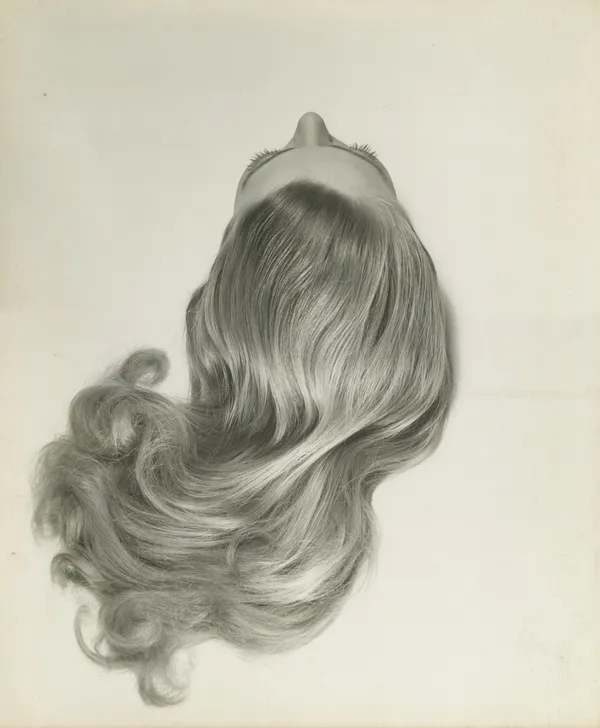
Leslie Gill, Head of Woman, c.1940s
-
Leslie Gill, Untitled, c.1947
-
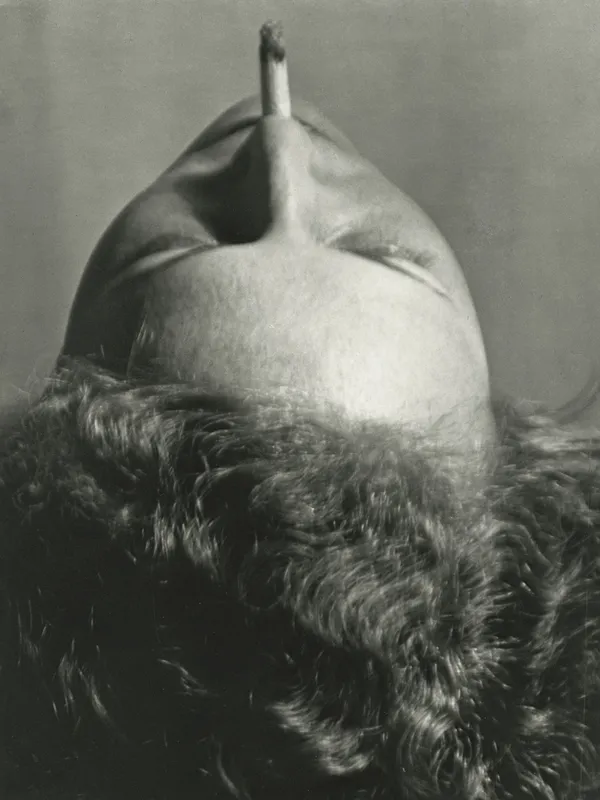
Man Ray, Woman Smoking a Cigarette, 1920
-
Erwin Blumenfeld, Muth, Paris, 1936
-
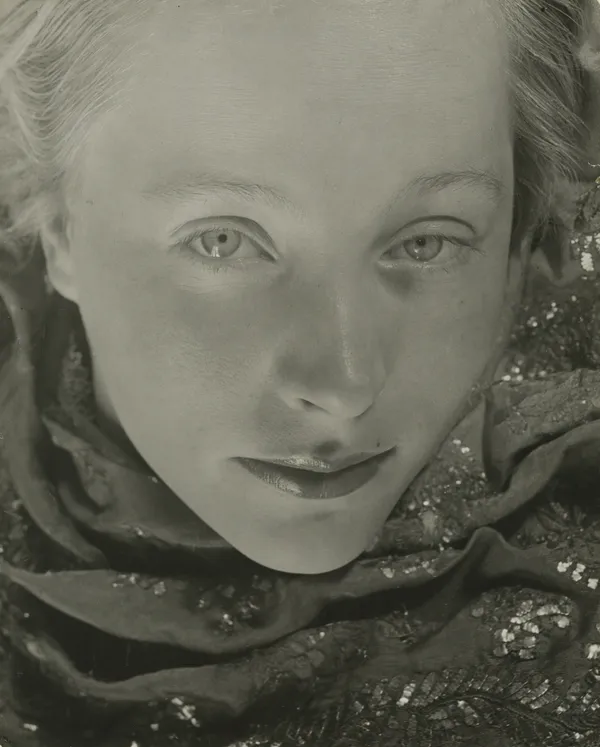
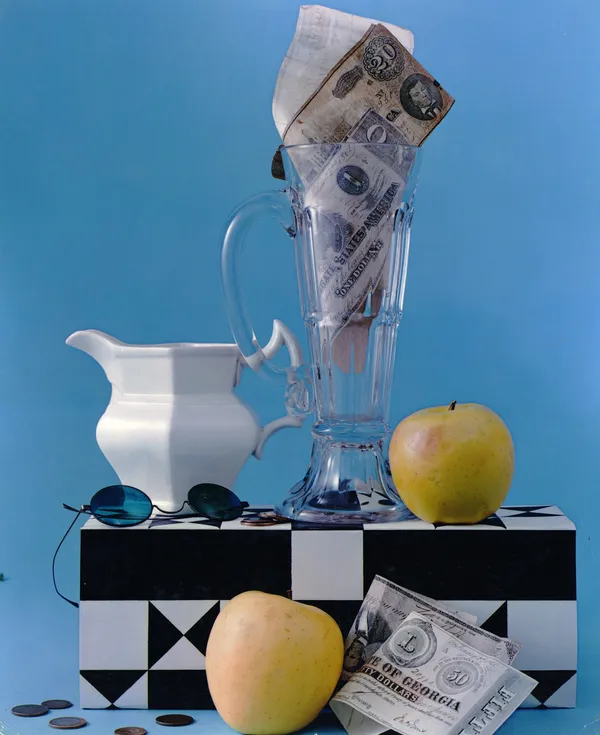
Leslie Gill, Composition with Apples, Pitcher and Confederate Money, NYC, 1953
-
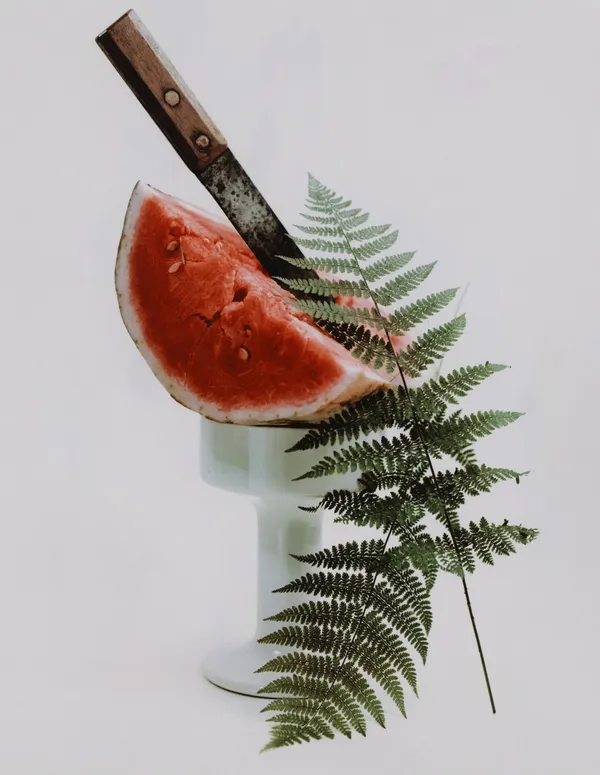
Leslie Gill, Composition with Watermelon, NYC, 1946
-
Irving Penn, Still Life with Watermelon, New York, 1947
-
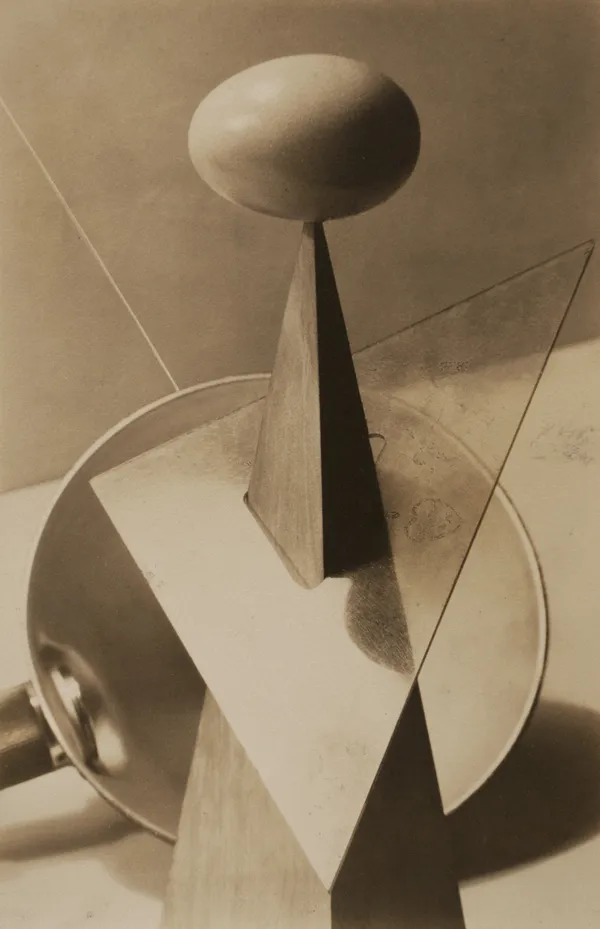
Paul Outerbridge, The Triumph of the Egg, 1932
-
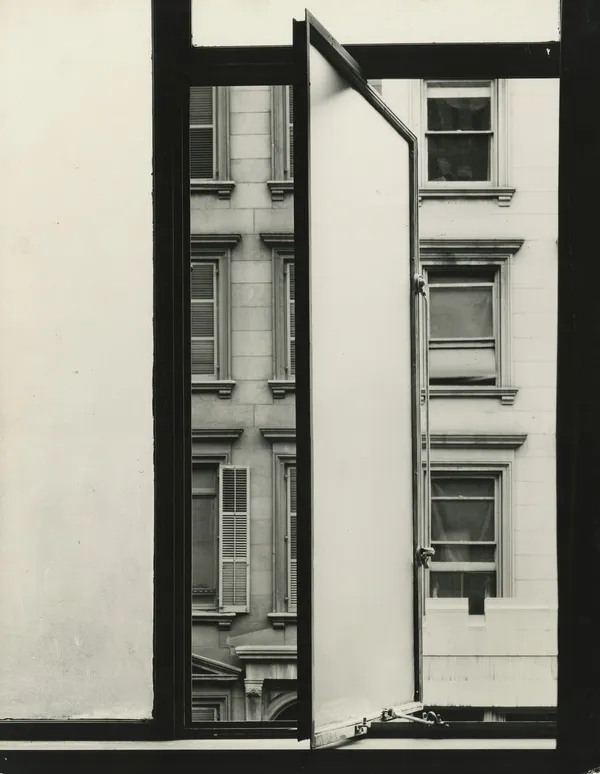
Leslie Gill, Composition of Objects on Windowsill, NYC, 1937

-
Leslie Gill, Studio Window, West 56th Street, New York, c.1936
-
Leslie Gill, Dali's Hands, NYC, 1948
-
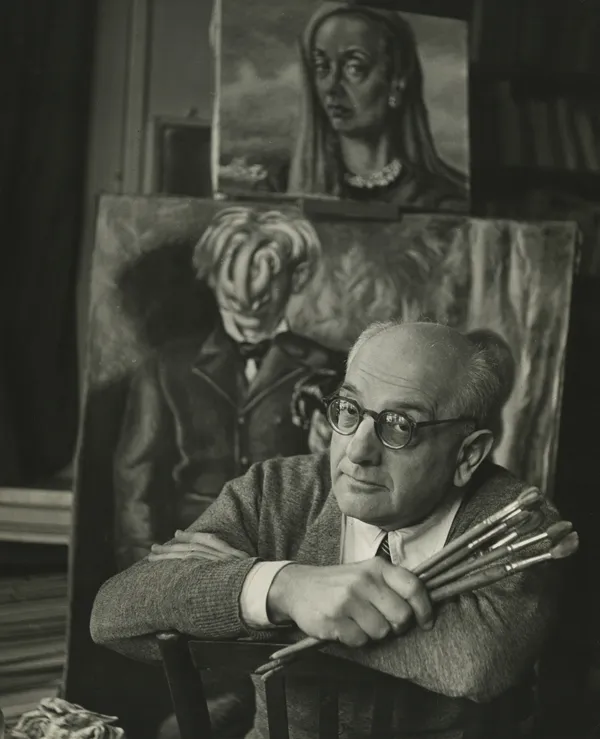
Leslie Gill, Savinio, Painter, Rome, 1947
-
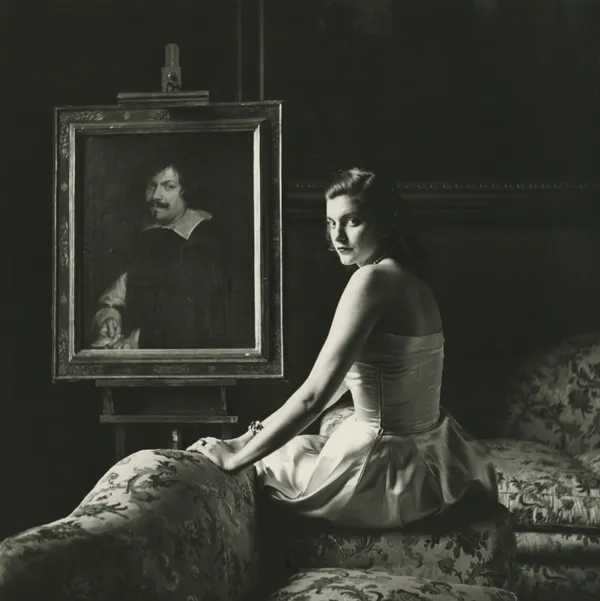
Leslie Gill, Donna Milagros del Drago, Rome, Italy, 1947

-
Leslie Gill, Principessa Letizia Boncompagni, Ludovisi, Rome, 1947
-
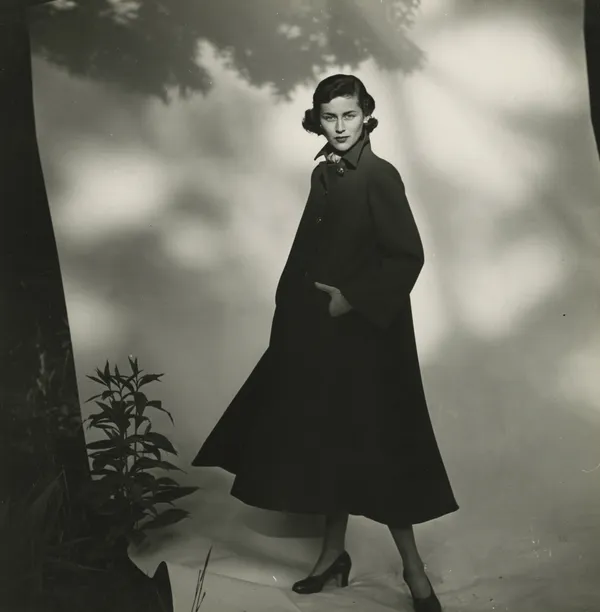
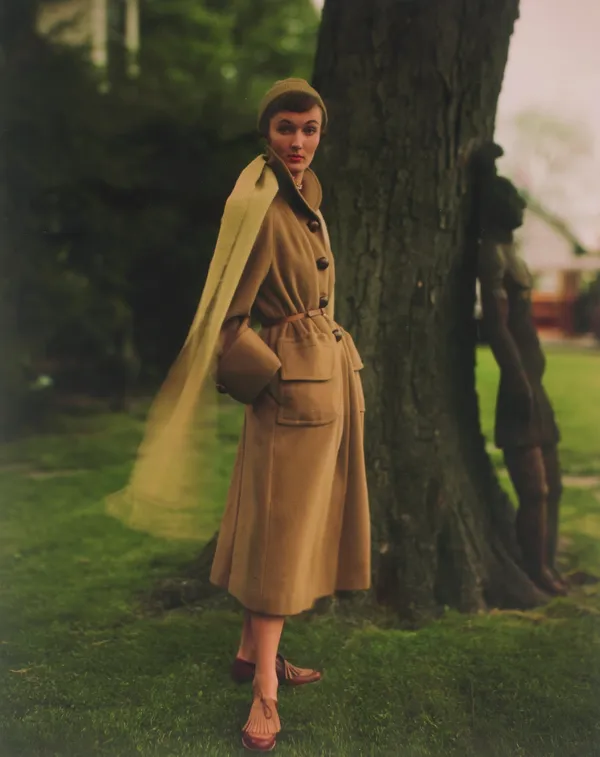
Frances McLaughlin-Gill, Model in Chinchilla Coat, East Norwich, Long Island,, c.1947
-
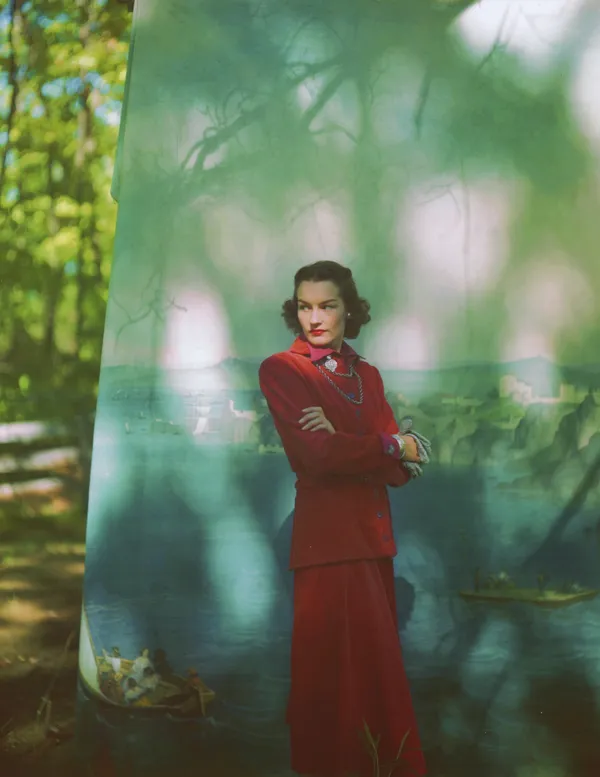
Frances McLaughlin-Gill, Untitled (for Vogue Magazine), 1940s
-
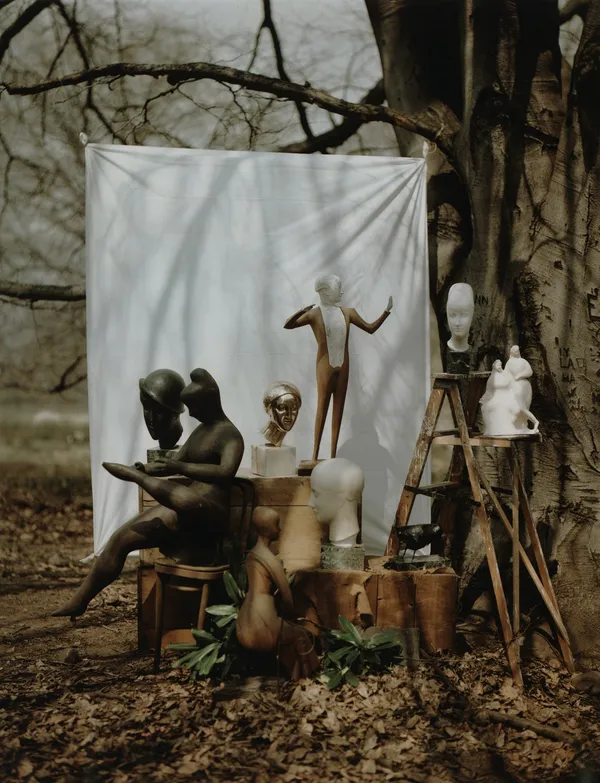
Leslie Gill, Garden of Sculptor, Elie Nadelman, NY, 1948
-
Leslie Gill, Francis Brun and Sister, NYC, 1950
-
Frances McLaughlin-Gill, Untitled (for Vogue Magazine), 1940s
-
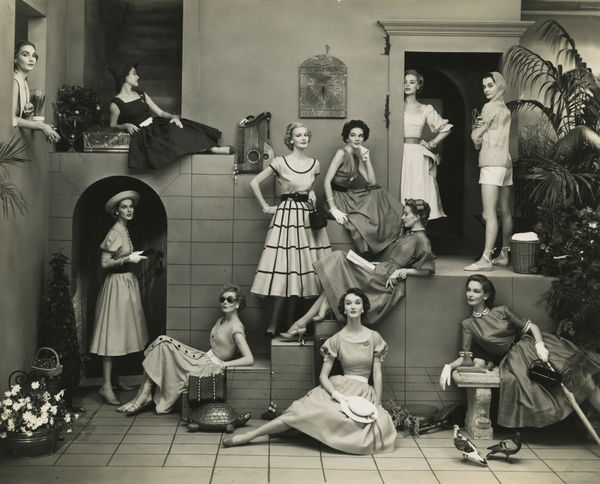
Frances McLaughlin-Gill, Eleven Models in Blue Dresses, NYC, Glamour, January 17, 1952
-
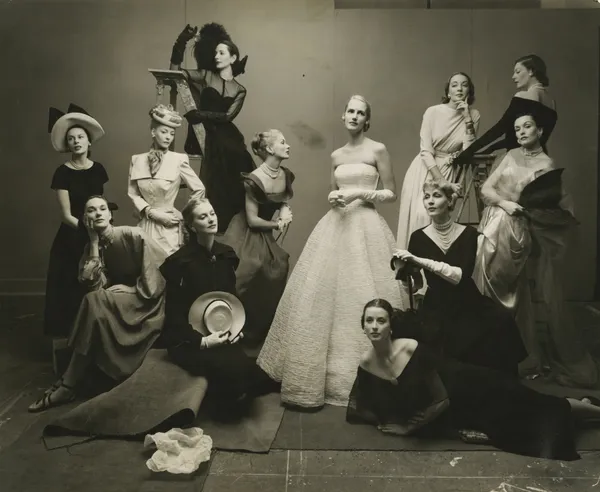
Irving Penn, Twelve of the Most Photographed Models of the Period, 1947
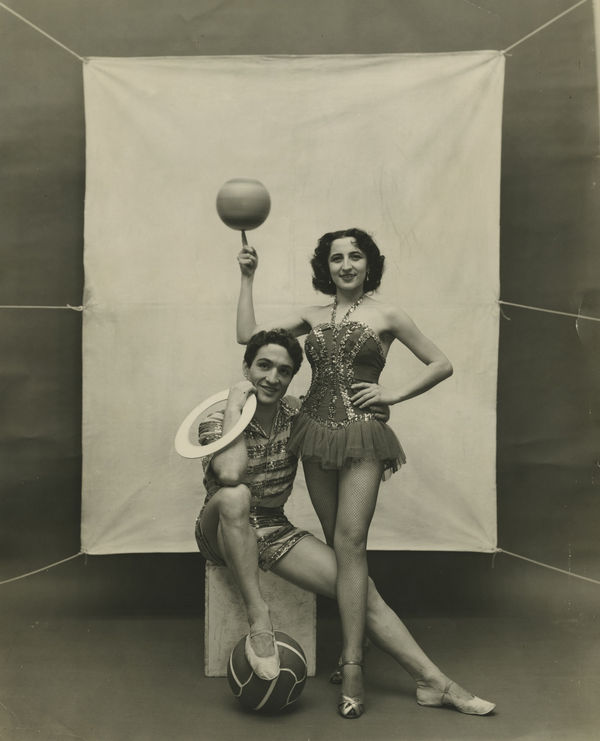
-
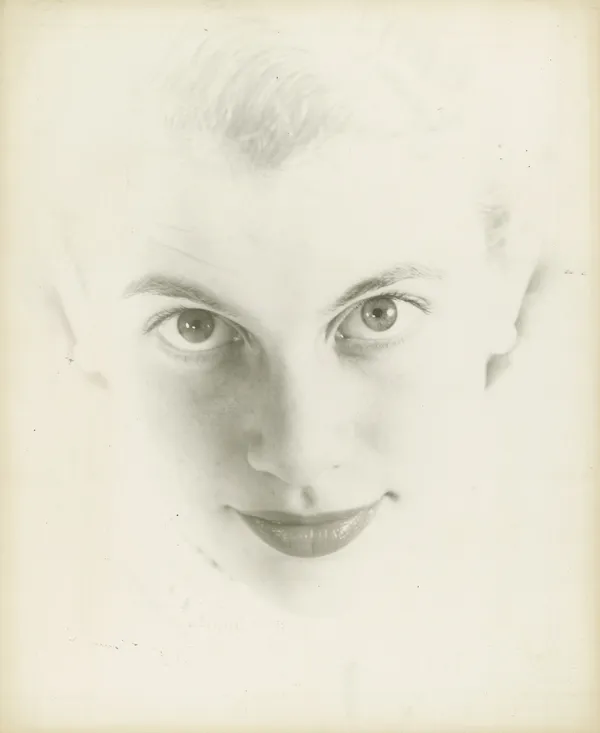
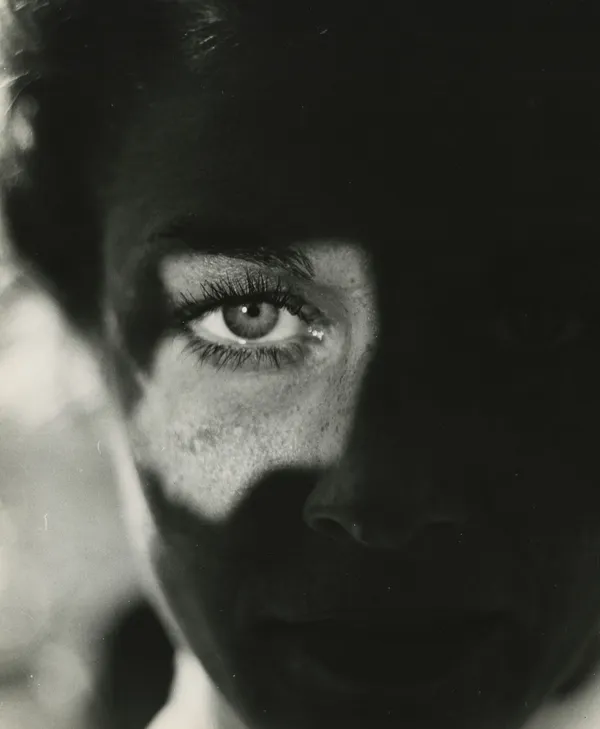
Frances McLaughlin-Gill, Untitled (woman's face with eye highlighted), c.1950s
-
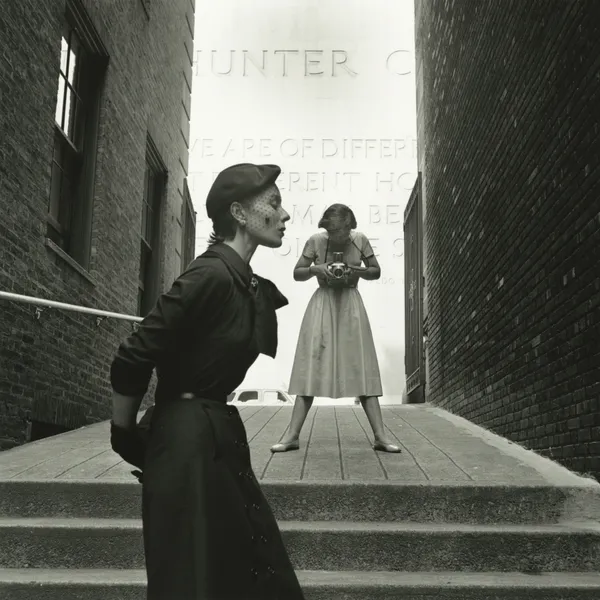
Gordon Parks, Frances McLaughlin-Gill and Bettina Graziani Outside Hunter College, 1950
-
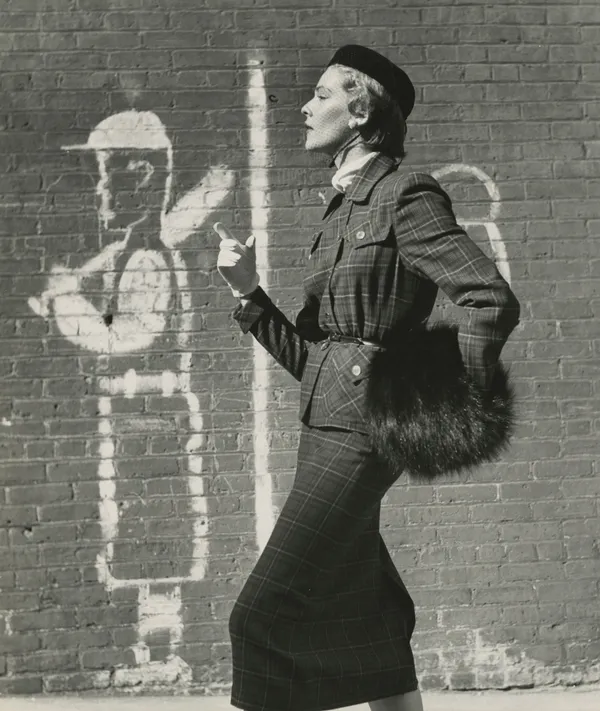
Frances McLaughlin-Gill, Kathy Dennis on Third Avenue, NYC, 1950
-
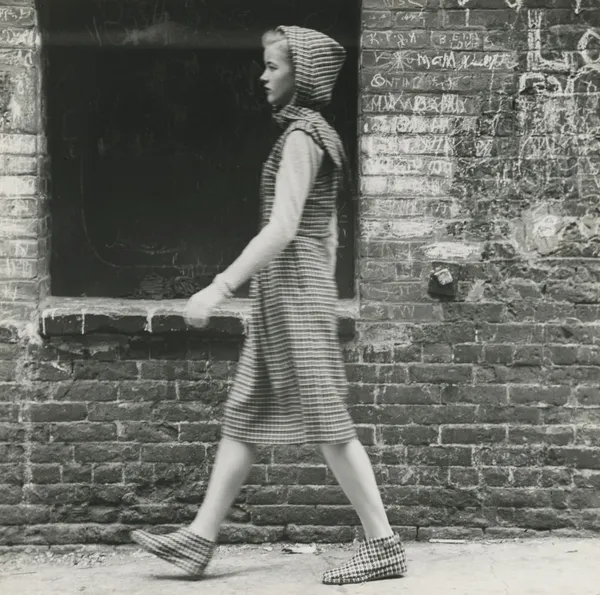
Frances McLaughlin-Gill, Mary Tice, Third Avenue, N.Y.C., Vogue, 1946
-
Frances McLaughlin-Gill, Marguerite Dillemuth, 3rd Avenue Series, NYC, Vogue, 1946
-
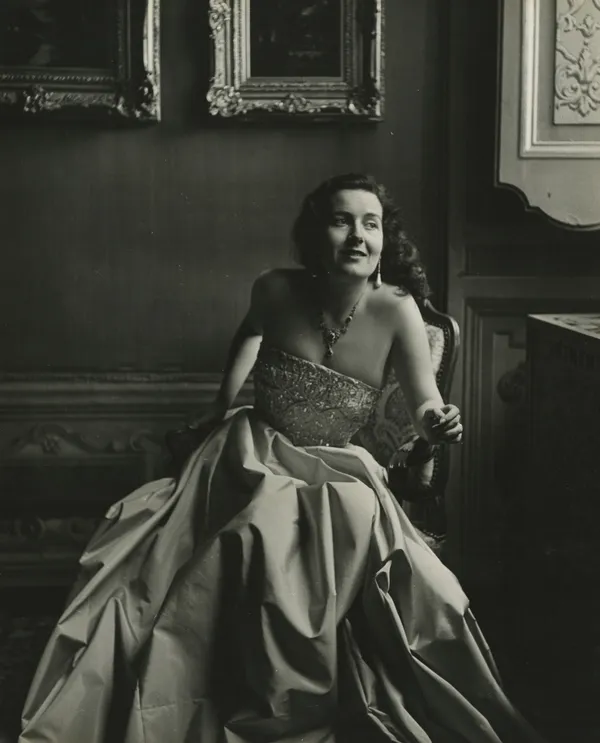
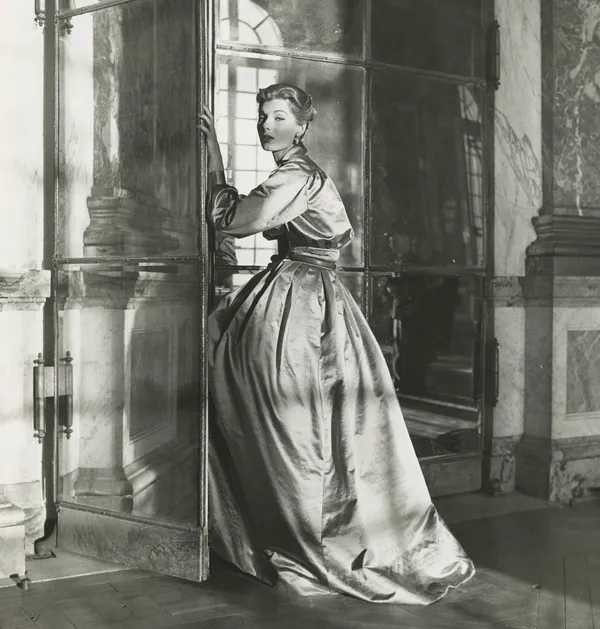
Frances McLaughlin-Gill, Fiona Campbell-Walter, Galerie des Glace at Versailles Palace, France, Vogue, 1952
-
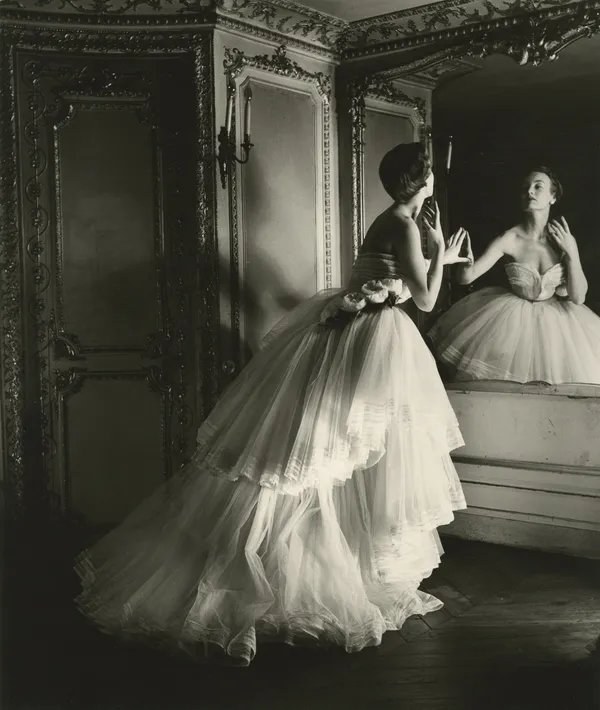
Louise Dahl-Wolfe, Dior Ballgown, Paris, 1950
-
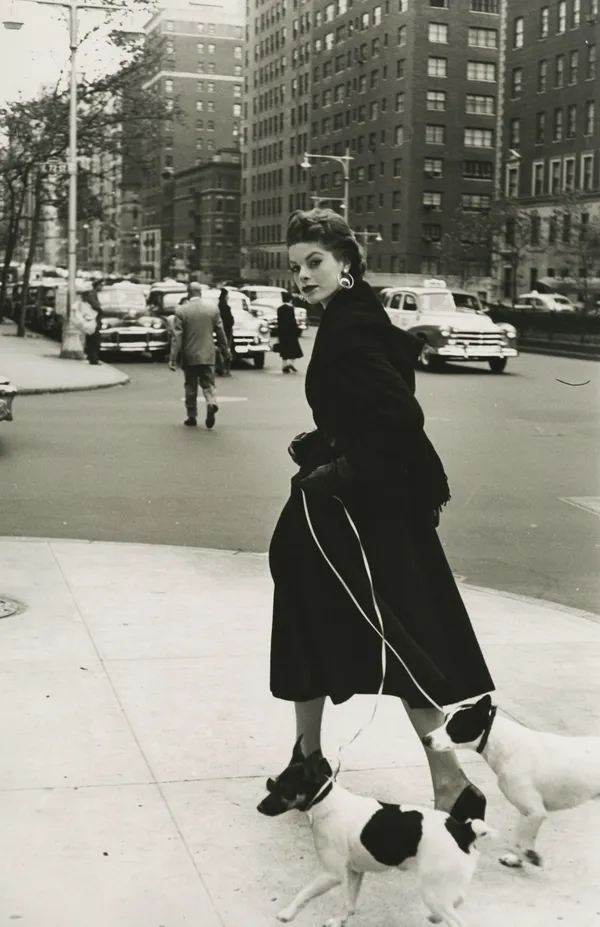
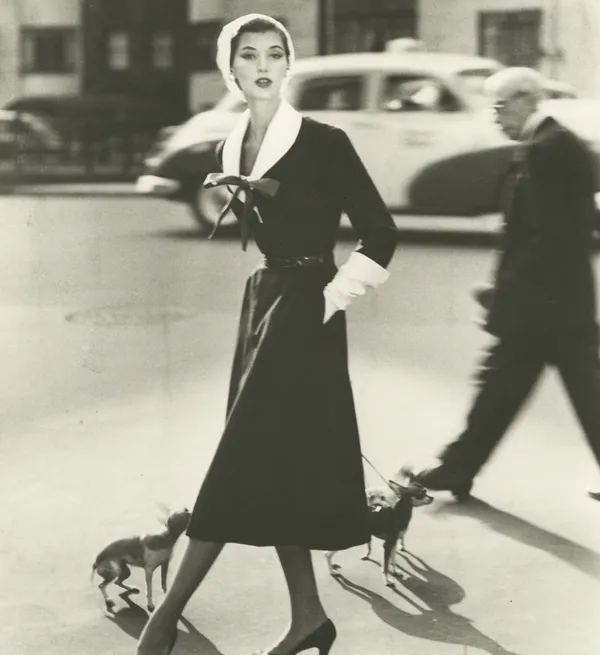
Frances McLaughlin-Gill, Model Walking Two Jack Russel Terriers, NYC, 1953
-
Norman Parkinson, Barbara Mullen with Dogs for Vogue, 1952
-
Frances McLaughlin-Gill, Carol McCarlson on the Beach, St. Augustine Florida, 1948
-
Gordon Parks, Model Wearing Latest Spring Fashions, 1957
-
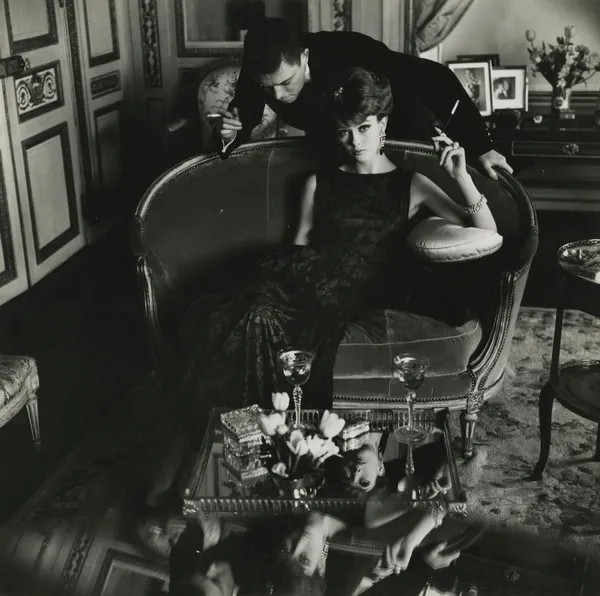
Frances McLaughlin-Gill, Couple, Opulent Living Room, 1960s

-
Frances McLaughlin-Gill, Untitled, 1951
-
Frances McLaughlin-Gill, Unknown model for Glamour Magazine, NYC, 1960
-
Frances McLaughlin-Gill, Myrtle Crawford, Vaugirard Courtyard, Paris, France, 1952
-
Frances McLaughlin-Gill, Carol McCarlson on a Pier at St. Augustine, Florida, Vogue, 1948
-
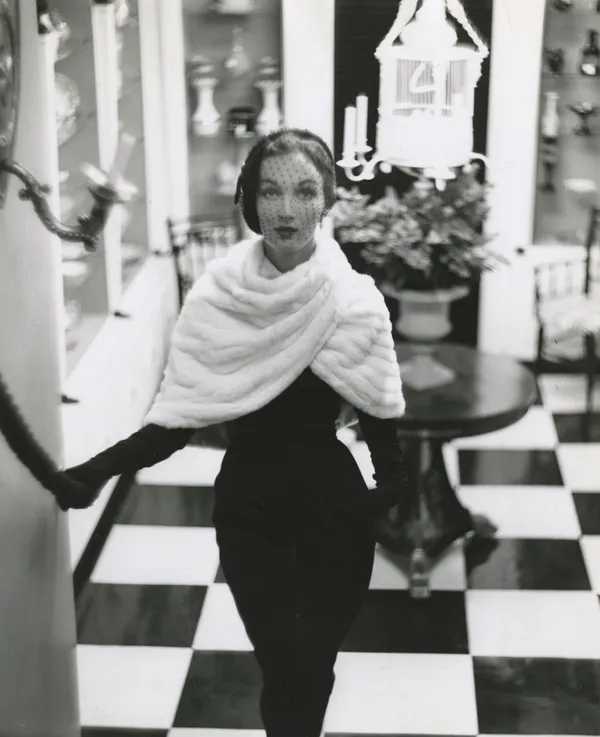
Frances McLaughlin-Gill, Pat Donovan and Henry Clarke, NYC, Glamour Magazine, 1947
-
Erwin Blumenfeld, Shadow Profile, Paris, 1936-37
-
Leslie Gill, Composition of Statue of Roman Kneeling, 1937
-
Leslie Gill, Composition with Chocolate Pot and Apple III, c.1950